Disclaimer:
Thank you for reading this post, don’t forget to subscribe!This article is for educational purposes only and is not professional financial advice. Please consult a qualified financial advisor before making any decisions.
Managing Personal Finance in the USA – My Experience and Smart Tips for 2025
Introduction
When I first moved to the USA, managing money felt overwhelming. Rent, groceries, bills, and subscriptions seemed endless. On top of that, credit card debt and the rising cost of living made it stressful. However, over time, I learned that with the right personal finance strategies, anyone can take control of their money, reduce debt, save efficiently, and even invest for the future.
In this article, I will share my personal experience managing finances in the USA, tips that worked for me, and practical steps you can follow to achieve financial stability.
Why Personal Finance Matters
From my experience, financial stability is the key to a stress-free life. Poor money management can lead to debt, low credit scores, and missed opportunities. I learned the hard way that ignoring budgeting and tracking expenses can cause unnecessary stress.
Some benefits of managing your finances properly:
-
Gain control over income and expenses
-
Save for emergencies and future goals
-
Avoid high-interest debt, especially credit cards
-
Make smarter investment decisions
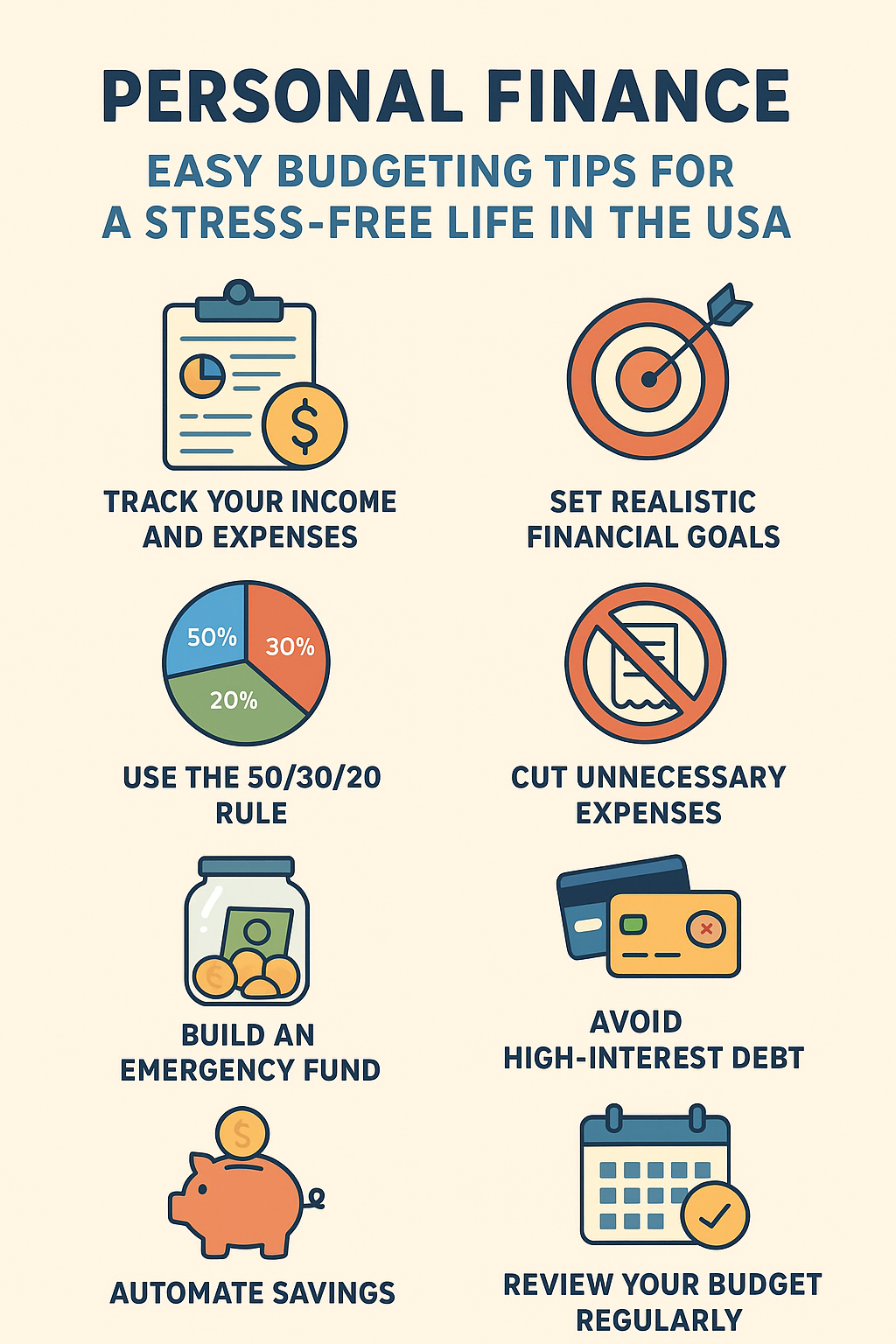
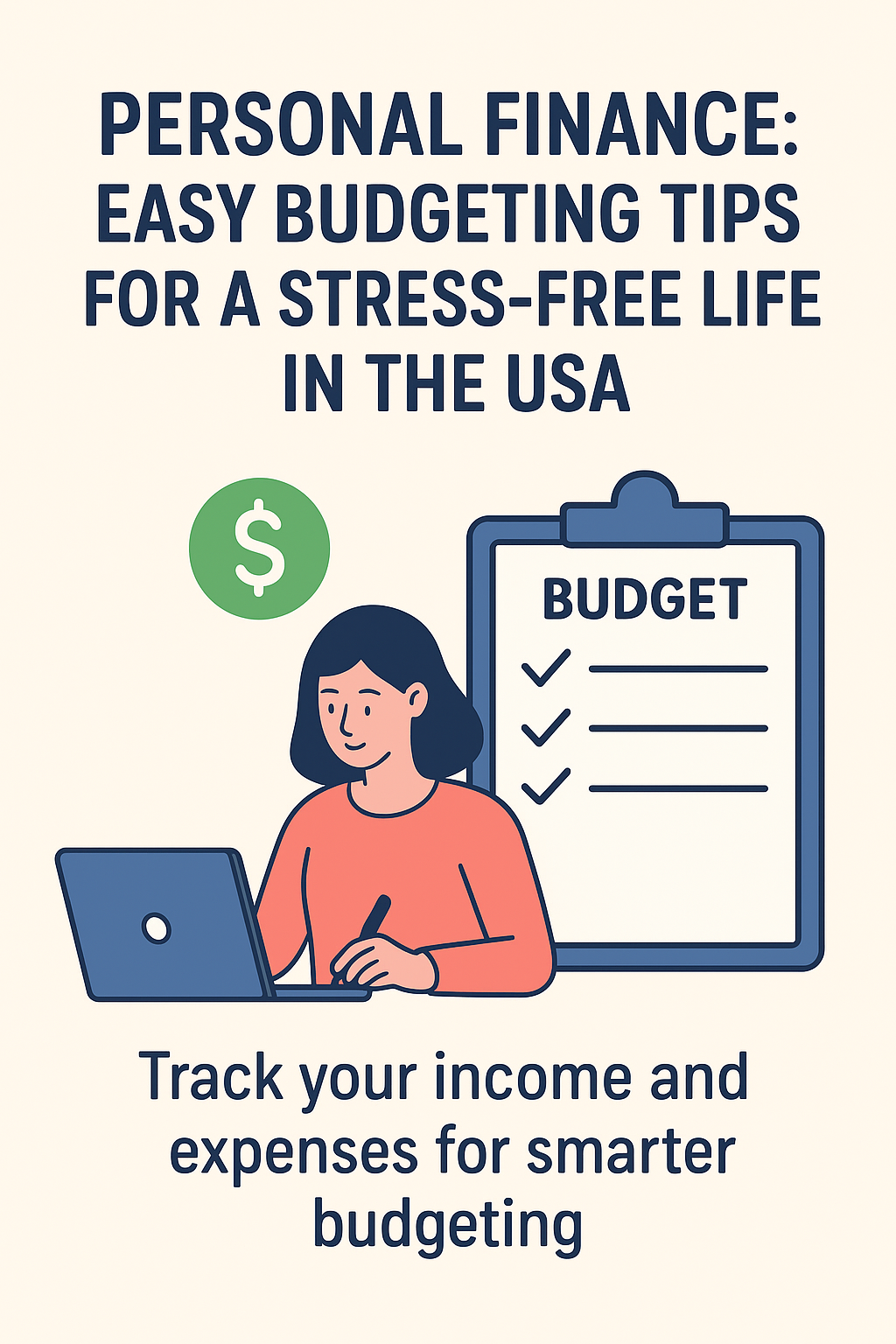
Tracking Income and Expenses – My First Step
The first thing I did was track every dollar I earned and spent. I used a spreadsheet and apps like Mint to record:
-
Income sources: Salary, freelance work, and small side hustles
-
Expenses: Essentials like rent and groceries, and non-essentials like dining out
After a few months, I could clearly see where my money was going. This helped me identify areas to cut back and save more. For example, I realized I was spending $200/month on takeout—switching to cooking at home saved me a lot.
Setting Realistic Financial Goals
Goals keep your finances on track. I divided mine into:
-
Short-term: Saving $500 in three months, paying off small credit card balances
-
Medium-term: Saving for a car, paying off student loans
-
Long-term: Retirement planning, buying a home
By setting these goals, I could prioritize spending, avoid impulse purchases, and see tangible progress.
Budgeting Strategies That Worked for Me
The 50/30/20 Rule
I allocated:
-
50% for needs (rent, groceries, utilities)
-
30% for wants (entertainment, dining)
-
20% for savings and debt repayment
This simple method made budgeting stress-free and practical.
Zero-Based Budgeting
I assigned every dollar a purpose. By ensuring income minus expenses equals zero, I avoided overspending and became more disciplined.
Envelope System
For certain categories like entertainment and dining, I used cash envelopes. Once the cash ran out, I stopped spending in that category. This really helped curb unnecessary expenses.
Saving Money and Building an Emergency Fund
I automated my savings so a portion of my salary went directly into a high-yield savings account. I built an emergency fund covering 3–6 months of expenses. Even saving small amounts consistently—like $50/month—added up over time.
Other tips I followed:
-
Cancel unused subscriptions
-
Shop smart and compare prices
-
Track net worth regularly to evaluate progress
Avoiding High-Interest Debt
Credit card debt can derail your financial plans. I learned to:
-
Pay balances in full each month
-
Use the snowball method (paying off smallest debts first)
-
Use the avalanche method (tackling highest interest rates first)
-
Avoid cash advances
This helped me stay debt-free and improve my credit score.
Smart Use of Credit Cards
Using a credit card responsibly helped me earn cashback and build credit:
-
Pay balances in full every month
-
Track spending categories
-
Monitor statements for fraud
-
Use rewards wisely
Investing and Growing Wealth
Once I had budgeting under control, I started investing:
-
Retirement accounts like 401(k) and IRA
-
Stock market via ETFs and mutual funds
-
Real estate for rental income
Diversification helped reduce risk while growing my wealth steadily.
Financial Tools That Helped Me
I relied on apps to simplify personal finance:
-
Mint: Budgeting and expense tracking
-
YNAB: Efficient money management
-
Credit Karma: Free credit monitoring
-
Personal Capital: Investment tracking
These tools made it easier to stay organized and make informed financial decisions.
Avoiding Common Money Mistakes
Based on my experience, the biggest mistakes are:
-
Overspending to impress others
-
Ignoring bills and statements
-
Not saving for emergencies
-
Taking multiple high-interest loans
-
Impulse purchases
A simple tip: wait 24 hours before making non-essential purchases. Often, you realize you don’t really need it.
Invest in Financial Education
The more I learned about taxes, investing, and budgeting, the better my decisions became. Books, podcasts, and trustworthy blogs helped me make smarter choices. Knowledge is a long-term investment that pays off every year.
Final Thoughts
Managing finances in the USA doesn’t have to be stressful. By tracking expenses, setting clear goals, saving consistently, and using tools wisely, anyone can achieve financial freedom. Start small, stay consistent, and watch your money work for you.